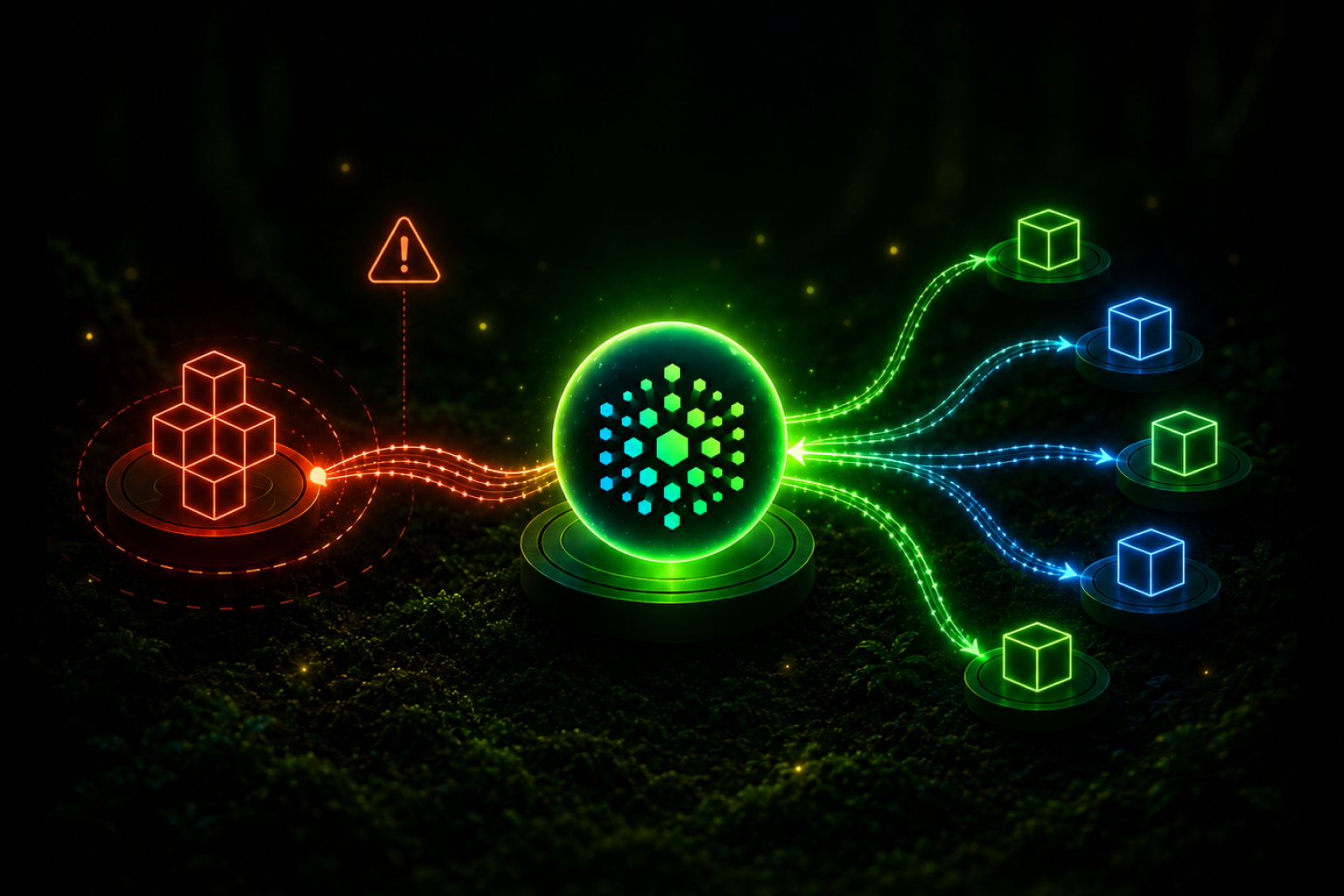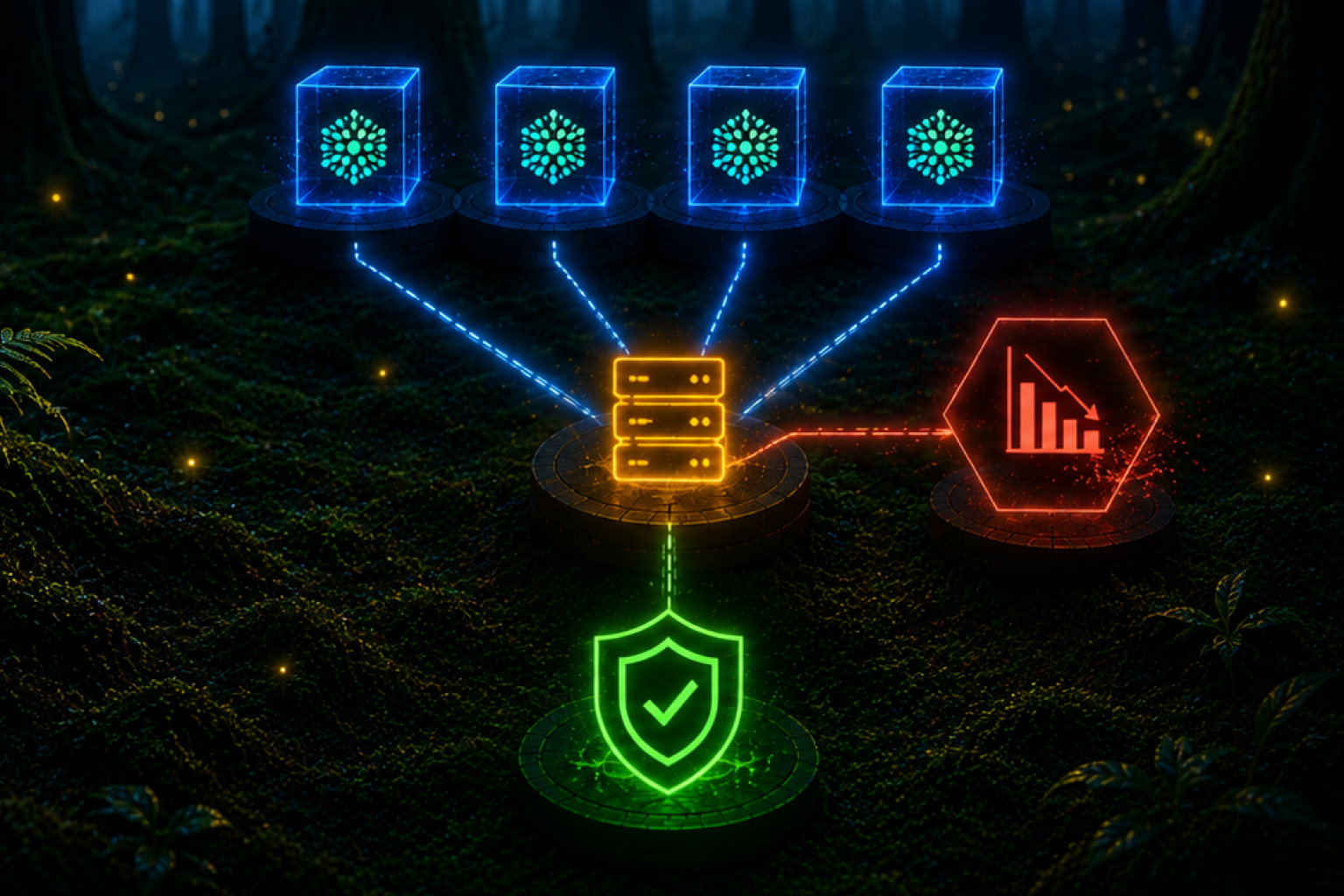
Hot Wallet vs Cold Wallet: Which Is Best for Crypto Staking?
Reading Time - 12 min

In crypto, sometimes users have to choose between being safe and being fast and efficient. That extends to most crypto activities, including staking.
Everyone gets that feeling where they want to download a browser wallet, fill it up with crypto, and begin clicking and staking.
Then, with one wrong click, their crypto assets vanish.
Serious stakers can slow down, lock their assets in a hardware wallet that’s much harder to compromise. But the moment they go full cold storage, they realize that managing their staking position and rewards becomes a chore.
It shouldn’t have to be a tradeoff.
Crypto users need the peace of mind that comes with a cold wallet and also deserve to maximize their staking returns.
This article breaks down the following:
- Hot wallets versus cold wallets
- Why a hardware wallet is great for long-term staking
- How Polli turns a hardware wallet into a high-yield staking machine
- How to access Polli with a hardware wallet
Keep on reading.
What is a Hot Wallet?
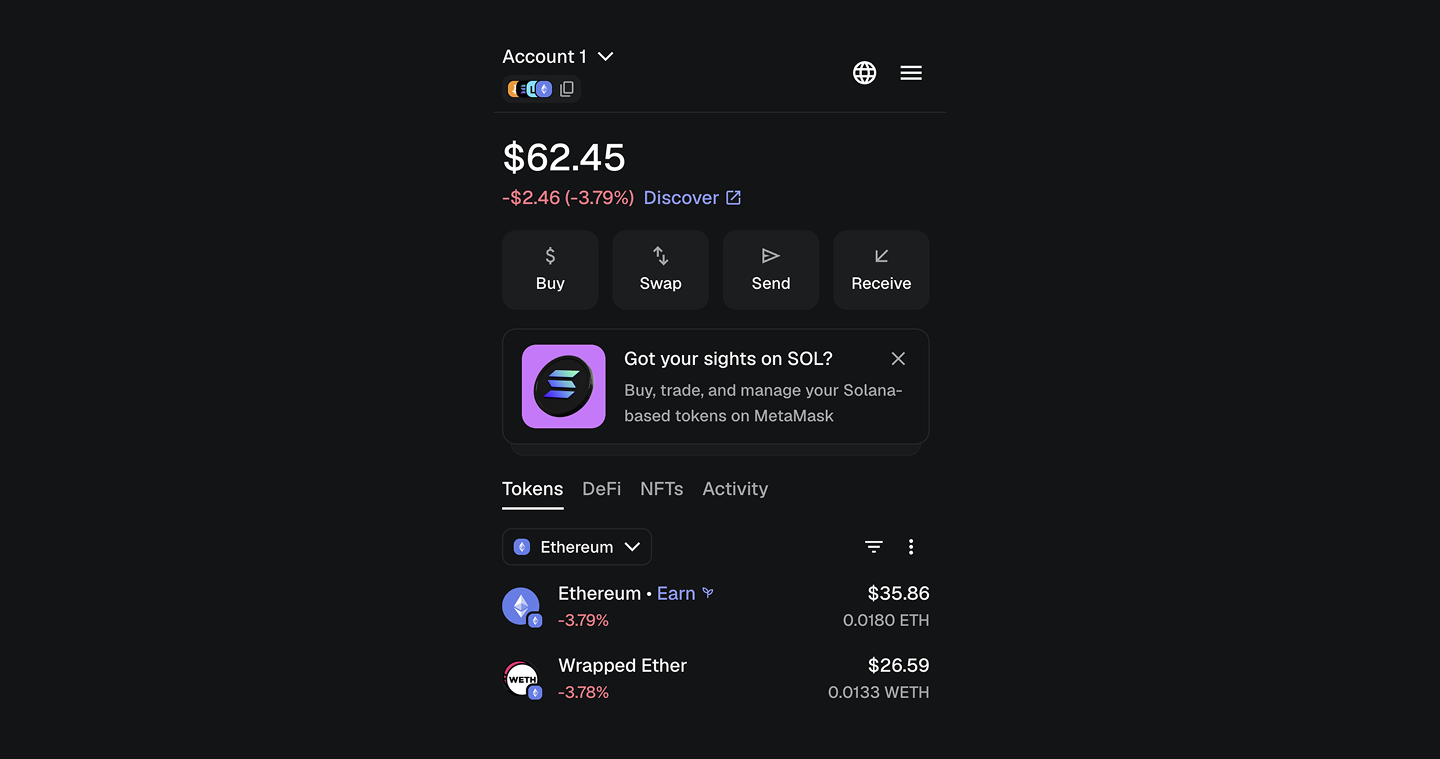
A hot wallet is any cryptocurrency wallet that maintains a persistent internet connection. These tools allow users to sign smart contracts and execute transactions across decentralized applications (dApps) with minimal friction.
How Hot Wallets Work
Hot wallets store private keys on a device such as a smartphone or browser extension. These wallets actively connect to the web. The software signs the data instantly using the keys stored within the application.
Types of Hot Wallets
- Web/Browser Wallets: Extensions like MetaMask or Phantom that integrate directly into the browsing experience.
- Mobile Wallets: Applications designed for iOS or Android, offering biometrics for quick access.
- Software/Desktop Wallets: Standalone programs like Exodus, installed on a computer, that provide a more robust interface than a browser.
Hot Wallet Staking Implications
For stakers, hot wallets offer immediate convenience.
Stakers can delegate, claim rewards, and redelegate with just a few clicks. However, this convenience comes at a high risk. Because the private keys live on a device with internet access, malware attacks, phishing schemes, and remote hacks can target them.
For an institutional treasury, a hot wallet represents a “single point of failure” that often fails to meet rigorous compliance and security standards.
What is a Cold Wallet?

A cold wallet refers to any environment in which private keys are generated and stored in a 100% offline state.
Cold storage helps ensure the long-term preservation of cryptocurrencies. Users leverage these environments primarily for the holding, sending, and receiving of crypto while keeping the “keys to the vault” away from any digital network.
How Cold Wallets Work
A cold wallet functions by maintaining a physical “air gap” between the private keys and any internet-connected hardware. Unlike a hot wallet, which stores keys in a digital application, a cold wallet generates and retains keys in a physical or offline medium.
This architecture ensures that a remote attacker has no technical pathway to the funds.
Types of Cold Wallets
- Hardware Wallets: Purpose-built devices, such as those from Ledger, that act as a “secure enclave.” To sign a transaction, a user must physically interact with the device to authorize a move, ensuring the private key never touches the internet.
- Paper Wallets: Private keys and recovery phrases printed on physical paper.
- Air-Gapped Computers: Dedicated laptops or PCs that have had all network hardware (Wi-Fi and Bluetooth) physically removed. These machines never connect to any network, functioning as a localized signing station.
Cold Wallet Staking Implications
Cold wallets provide tight security. Even if malware compromises a computer, the keys remain safe within the offline environment.
The trade-off, however, is friction. Managing a staking position via cold storage requires retrieving the physical device or medium, connecting it to a gateway, and manually signing every transaction.
Over time, this friction leads to yield drag. Staking rewards remain uncollected and uncompounded because the manual process is too cumbersome to perform regularly.
Why Hardware Wallets are the Standard for Cold Storage
While paper wallets and air-gapped PCs are technically “colder,” hardware wallets have become the industry standard for two reasons: durability and verifiability.
Paper is fragile, susceptible to fire, water, and simple degradation. Meanwhile, air-gapped computers are highly secure but require significant technical expertise to maintain and operate without leaking data via USB drives.
Hardware wallets provide a user-friendly bridge. They offer the security of an air gap through specialized chips while providing a standardized interface to prevent human error during signing. For staking, they represent the only practical way to maintain high security without the extreme complexity of a DIY air-gapped setup.
Note that these advantages do not mean hardware wallets are totally immune to attacks. If a signer uses their hardware wallet to sign a malicious transaction or smart contract, then hackers can drain the funds.
Hot Wallet vs Cold Wallet: Key Differences for Staking
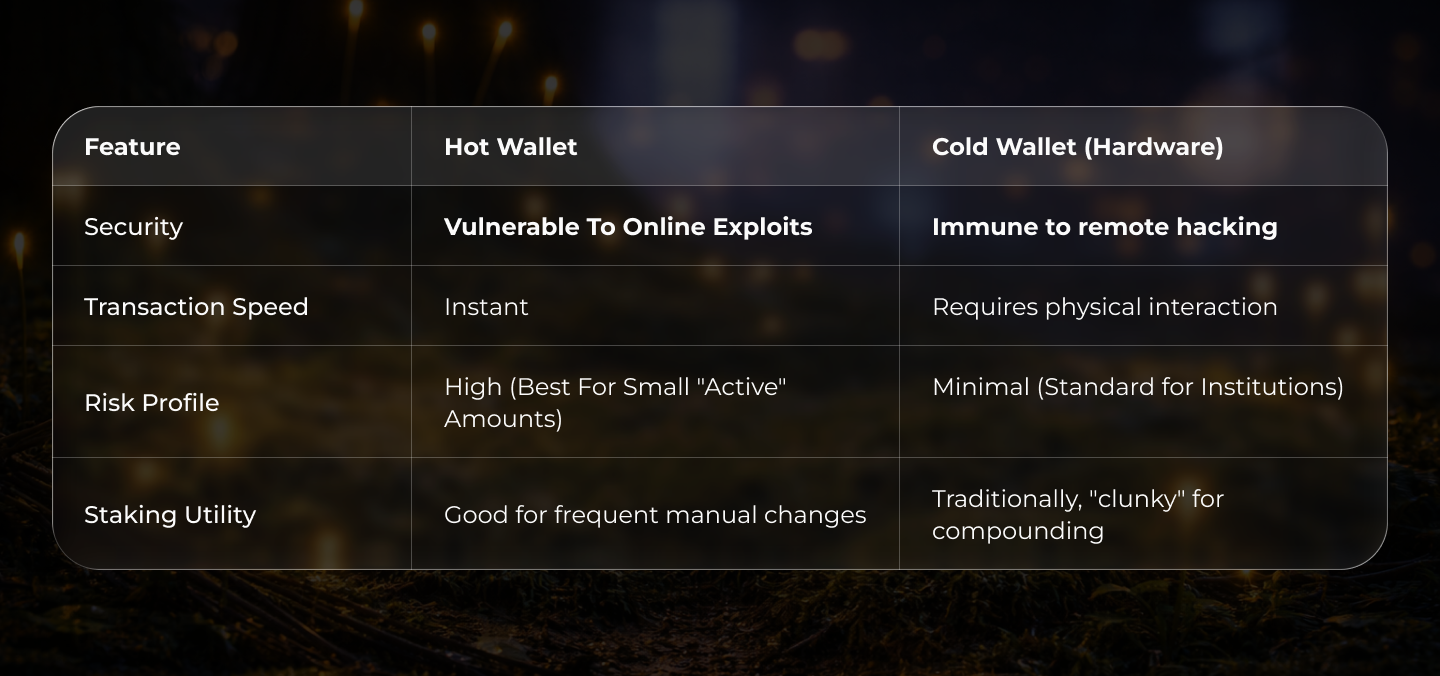
Hot wallets are ideal for “gas money” or testing new DeFi protocols. However, for long-term capital allocation, the hardware wallet is the only logical choice for serious participants.
Staking is a long-term game. When stakers choose a hardware wallet, they acknowledge that the safety of their principal is more important than transaction speed.
Why Polli Makes Hardware Wallets Even Better
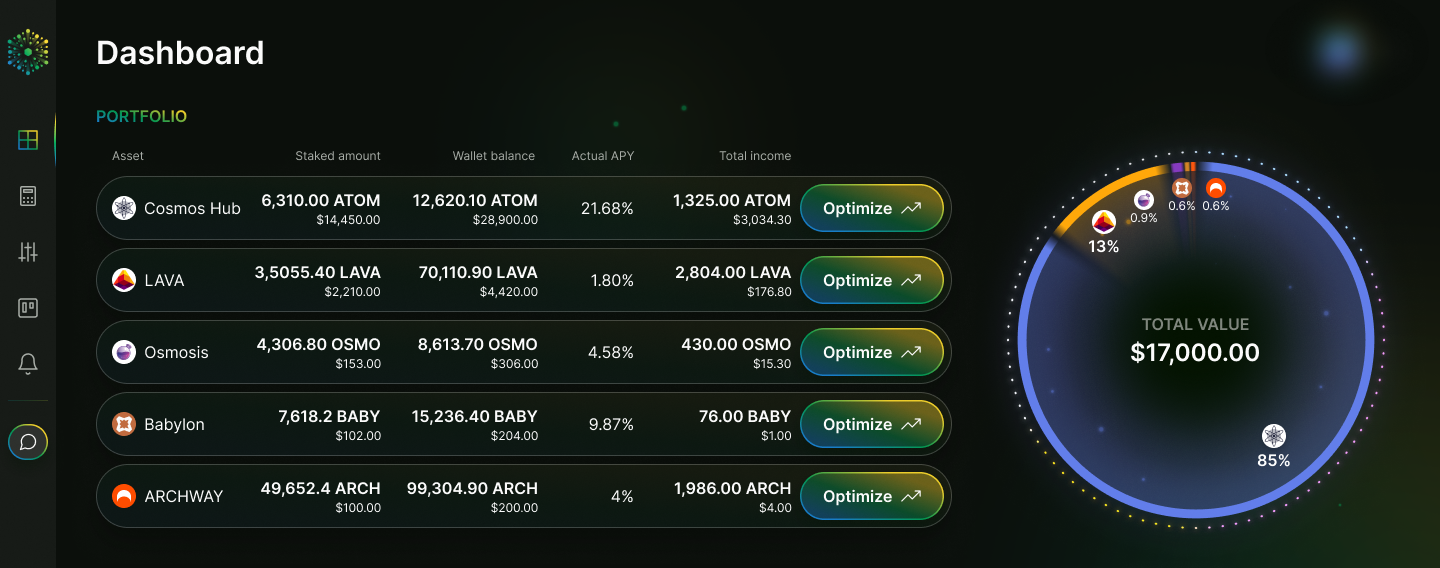
Polli is a staking optimization platform designed to bridge the gap between hardware wallet security and automated efficiency. By integrating an AI-driven optimization layer, Polli eliminates the inherent friction of manual hardware staking.
The “One-and-Done” Signature
In a traditional environment, a hardware wallet user must sign a physical transaction every time rewards are moved or reinvested. Polli utilizes advanced Cosmos Hub protocol modules to allow for a minimal signing setup.
A user signs once to delegate assets from networks such as Cosmos, Lava Network, or Osmosis. This signature authorizes Polli’s AI Agents to manage specific staking functions on their behalf. Thereafter, the hardware wallet remains in secure storage while the AI handles the optimization.
Zero Smart Contract Risk
As a critical differentiator, Polli does not use smart contracts. Unlike liquid staking platforms or yield vaults that require users to deposit funds into a contract, Polli operates via native staking.
This process removes the risk of smart contract exploits that plague automated DeFi platforms.
AI-Driven Auto-Compounding
Yield drag is the silent killer of long-term returns.
Polli’s AI agents monitor reward accrual in real-time. Rather than requiring a user to reconnect a hardware device weekly to restake, Polli continuously executes compounding logic. These steps ensure that rewards begin earning yield immediately, maximizing the effective APY of the position.
Proactive Validator Management
Validator performance is not static. Hardware failures or commission hikes can occur without warning.
Polli’s AI continuously evaluates validator health across the network, automatically shifting stake to the top-performing, most secure operators without requiring additional manual signatures from the hardware device.
How to Use Polli with a Hardware Wallet
Setting up a hardware wallet with Polli is a straightforward process that uses a Ledger sync with the Keplr Cosmos wallet. This setup ensures the private keys never leave the hardware device while allowing Polli’s AI to manage the staking positions.
Step 1: Sync Ledger with Keplr
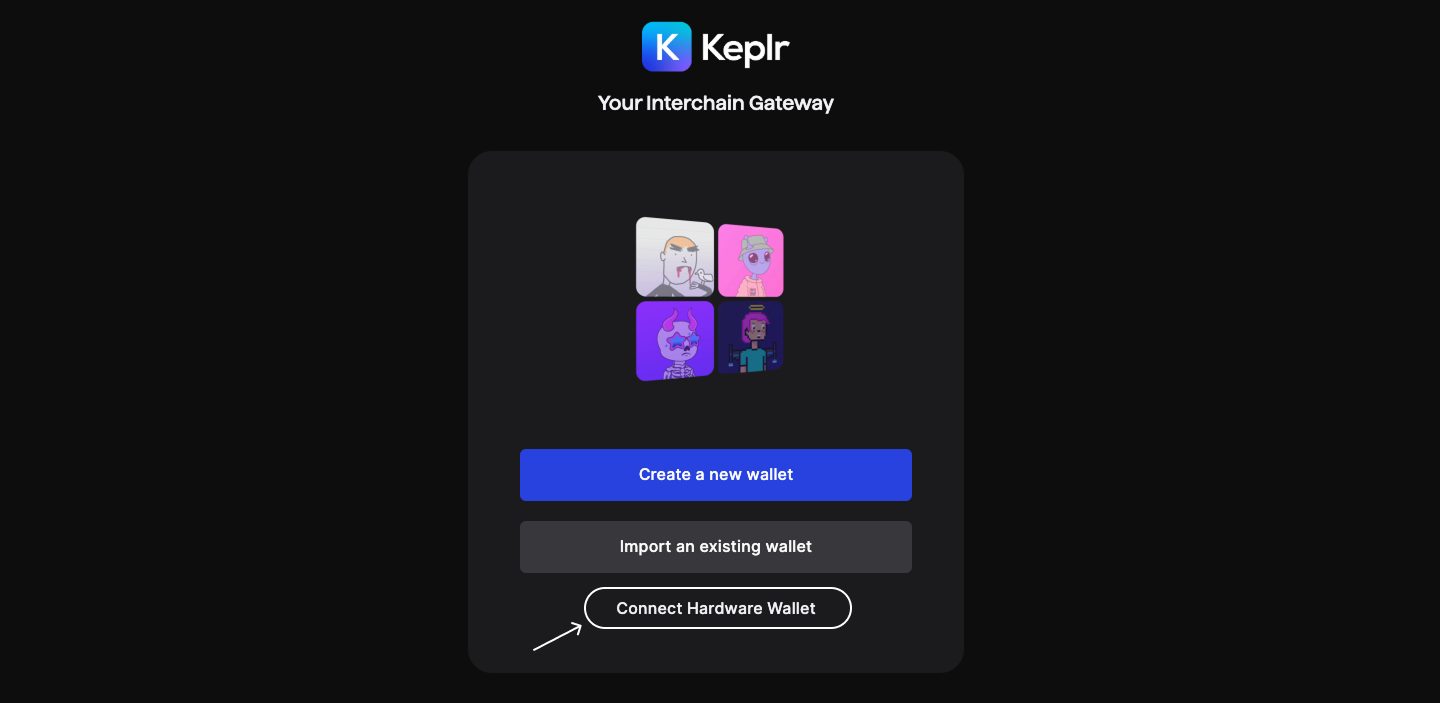
Download and open the Keplr browser extension.
Select “Import Ledger” or “Connect Hardware Wallet.” Ensure the Ledger device is plugged in, unlocked, and has the appropriate app (e.g., the Cosmos app) open.
Step 2: Connect Keplr to Polli
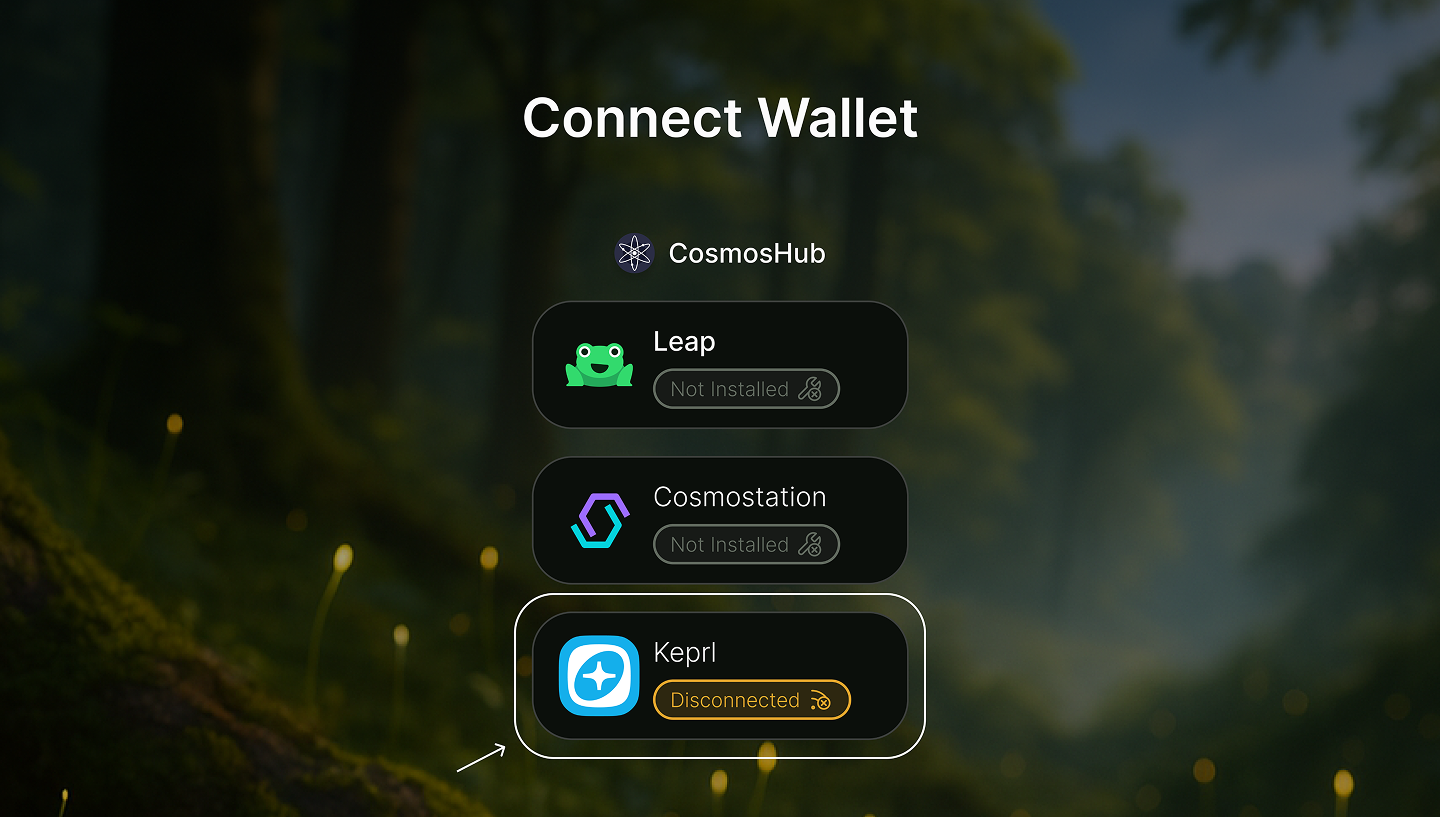
Head to Polli and click “Launch App.”
Select Keplr from the list of compatible providers.
Step 3: Authorize the AI Agent
When first setting up a strategy, stakers will use the hardware wallet to sign a one-time transaction. This approval grants Polli’s AI the specific, limited permission to compound rewards and monitor validators on the user’s behalf.
Step 4: Disconnect and Secure
Once the initial setup is authorized, stakers should disconnect the hardware wallet.
Polli’s AI will continue to optimize the position according to the chosen strategy, with no further manual signatures required from the device.
Final Thoughts: Secure and Smart Staking
The ultimate goal of any staker is to grow their assets with as little risk and manual labor as possible. By pairing a hardware wallet with Polli, you create a secure yield program.
Your keys stay offline, your principal stays safe, and your rewards grow through AI-driven automation.
There is nothing left for you to do but watch your portfolio expand.
FAQs
Can I stake crypto with a hardware wallet?
Yes. Modern hardware wallets allow you to stake directly through their interfaces or by syncing with browser wallets.
What’s the difference between a hot wallet and a cold wallet for staking?
Hot wallets connect to the internet, making them easier to use but less secure. Cold wallets stay offline, providing the highest level of security for long-term staked assets.
Do I need to connect my hardware wallet frequently when staking with Polli?
No. You only need your hardware wallet to authorize the initial setup.
Once Polli is active, the AI manages compounding and redelegation without requiring you to plug in your device.
Is hardware wallet staking safe for institutional investors?
It is considered the industry standard. Hardware wallets provide the necessary “cold” environment required for most institutional custody and compliance mandates.
What makes Polli different from manual staking?
Manual staking requires constant monitoring of validators and manual compounding of rewards. Polli uses AI to automate these processes, ensuring you always have the highest yield and lowest risk with minimal manual intervention.

April 7, 2026
April 9, 2026